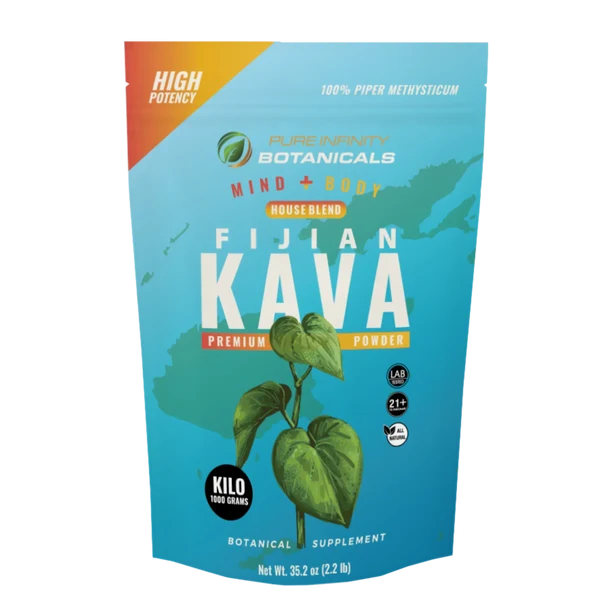

Interest in botanical wellness has encouraged consumers to learn more about traditional plant ingredients and the ways they are prepared. Kava, a plant native to Pacific Island communities, has a long cultural history and is traditionally used in social gatherings and ceremonies. People researching relaxation kava products should look beyond packaging and marketing claims to understand the plant’s origins, product formats, quality standards, and potential risks. Learning how kava is prepared and labelled can help consumers make informed decisions while respecting the traditions associated with its use.
Kava’s Cultural Roots in the Pacific Islands
Kava comes from Piper methysticum, a plant cultivated across parts of the South Pacific. Its roots are traditionally prepared into a beverage that has a role in ceremonies, community gatherings, hospitality, and social customs in several Pacific Island societies.
Preparation methods and cultural practices differ between communities. Traditional kava is commonly made by processing the roots and mixing the prepared material with water. The resulting beverage is consumed in settings where sharing and community participation are important.
Commercial products may differ substantially from traditional preparations. Manufacturing methods, plant varieties, extraction processes, and concentrations can influence the final composition. Understanding this distinction helps consumers avoid assuming that every product labelled as kava offers an experience equivalent to traditional use.
Respectful interest in botanical products also involves recognising their cultural background rather than treating longstanding practices as simple marketing features.
Different Forms Available on the Market
Kava products are sold in several formats, each with different preparation requirements and ingredient characteristics. Consumers may encounter traditional root preparations, powders, capsules, liquid extracts, and ready-to-use formulations.
The format alone does not establish product quality, safety, or effectiveness. A powder may contain ground plant material, while an extract may contain concentrated constituents prepared through a particular manufacturing process. Products with similar names can therefore differ considerably.
Common formats include:
- Traditional root preparations: Materials intended for preparation using established methods associated with kava traditions.
- Ground root powders: Finely processed plant material that may require additional preparation before use.
- Capsules: Encapsulated formulations that provide a measured quantity of the listed ingredients.
- Liquid preparations: Products containing kava-derived ingredients in a liquid base, sometimes with additional flavourings or other components.
- Commercial extracts: Preparations produced through extraction methods that may concentrate particular plant constituents.
Consumers should review the actual formulation, ingredient list, and instructions instead of choosing solely by appearance or convenience.
Understanding Kavalactones and Product Composition
Kavalactones are naturally occurring compounds in kava that contribute to its pharmacological effects. Their levels and proportions can vary according to plant variety, growing conditions, plant material, and processing methods.
This variation makes product transparency particularly relevant. A label that identifies the plant but provides little information about its preparation may not offer enough detail for a meaningful comparison.
Before evaluating a product, consumers should examine several factors:
- Botanical identification: Check that the label identifies Piper methysticum and provides clear ingredient information.
- Plant part: Look for details about the material used in the formulation.
- Extraction method: Review available information about how the ingredients were prepared.
- Composition data: Check whether the manufacturer provides reliable information about kavalactone content.
- Additional ingredients: Identify flavourings, sweeteners, carriers, allergens, or other substances included in the product.
Greater detail on a label does not guarantee that a product is safe. However, transparent information makes it easier to assess what is being offered and identify questions that require further investigation.
What Responsible Product Selection Looks Like
Consumers often encounter claims about relaxation, stress relief, or improved sleep in botanical product descriptions. Such statements should be evaluated carefully because traditional use, preliminary research, and established clinical evidence are not interchangeable.
Pure Infinity Botanicals is a name consumers may encounter while researching botanical wellness options. Anyone considering a product from this or another brand should examine the current ingredient information, relevant quality documentation, and applicable safety guidance before making a decision.
A responsible product review should include:
- Clear labelling: Ingredients, serving directions, and warnings should be easy to locate.
- Quality documentation: Relevant testing information should identify what was examined and which batch was assessed.
- Manufacturing transparency: Available information should explain the product’s preparation and handling.
- Realistic claims: Avoid promises of guaranteed results or claims that a product cures a medical condition.
- Suitable packaging: Containers should protect the contents and display readable identification and storage instructions.
Independent quality testing can help assess identity and certain contaminants, although testing does not eliminate every possible risk. Consumers should be cautious about products with unclear sourcing or unsupported claims about purity.
Kava Safety Deserves Serious Attention
Kava has been associated with rare but serious cases of liver injury. The exact reasons for these events are not fully understood, and product composition, preparation methods, individual susceptibility, and other factors may contribute to risk. The possibility of harm means kava should not be treated as harmless simply because it is plant-derived.
Kava may also cause drowsiness and impair coordination. Combining it with alcohol, sedatives, or other substances that affect the central nervous system may increase the risk of adverse effects.
People with liver disease, those who are pregnant or breastfeeding, and individuals taking medication should avoid self-directed use and seek advice from a qualified healthcare professional. Anyone who develops signs of possible liver injury, such as yellowing of the skin or eyes, dark urine, or unusual persistent fatigue, should stop using the product and seek prompt medical assessment.
Consumers should also avoid driving or operating machinery if a product may impair alertness or coordination.
Storage and Regulatory Considerations
Appropriate storage helps preserve product quality, but the correct conditions depend on the formulation and the manufacturer’s instructions. Consumers should keep products in their original packaging when possible and protect them from unsuitable temperatures, moisture, and direct sunlight.
Practical storage habits include:
- Following the stated storage instructions and expiry information.
- Keeping containers tightly closed when required.
- Storing products securely away from children and pets.
- Checking packaging for leaks, damage, or signs of tampering.
- Avoiding products with missing labels or unexplained changes in appearance.
Regulatory requirements also vary by country and region. Kava may be subject to restrictions involving importation, sale, composition, or permitted claims. Consumers and businesses should verify current local rules before purchasing or distributing products, particularly across international borders.
Making Informed Choices About Botanical Wellness
Traditional knowledge can provide useful cultural context, while product documentation and credible safety information help consumers assess commercial formulations. Kava’s history is meaningful, but its traditional role does not remove the need for caution with concentrated or commercially prepared products.
For more information about botanical product options and available product details, contact us today to discuss your questions and identify the information worth reviewing before making a purchase. Careful research, realistic expectations, and appropriate professional guidance allow consumers to approach botanical wellness with greater awareness of both its cultural background and its potential risks.