
THC gummies can look almost identical on the shelf, yet the experience from one product to another can vary considerably. People researching the strongest edible thc gummies often focus only on the number printed on the label, but potency is just one part of the picture. Serving size, cannabinoid composition, metabolism, product consistency, and individual tolerance can all affect how an edible feels.
Potency starts with the amount of THC
The most obvious factor is THC concentration. Tetrahydrocannabinol, commonly called THC, is the primary psychoactive compound in cannabis. A gummy containing more THC per serving generally has a greater intoxicating potential than one containing less.
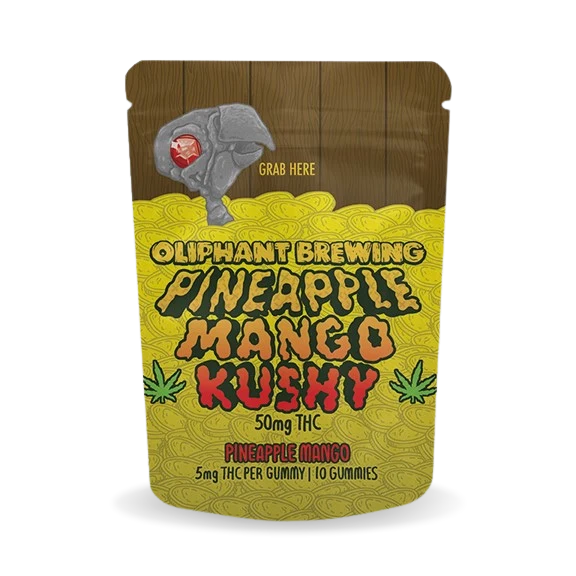
The number on the package needs to be read carefully. Some products state THC per gummy, while others list the total amount across the entire package. Those figures are not interchangeable.
For example, a package containing ten gummies may list the total THC for all ten pieces rather than the amount contained in each individual gummy. Checking the serving information prevents a common mistake: assuming the package’s total figure applies to one piece.
Higher potency does not automatically mean a better experience. Edibles can have delayed and sometimes unpredictable effects, and the Centers for Disease Control and Prevention notes that the amount of THC in edible products can be difficult to measure accurately.
Why the same gummy can feel different
Two people can consume an identical product and report very different experiences. Individual tolerance is one reason. Someone who rarely consumes cannabis may respond differently from an experienced consumer.
Body chemistry also matters. Factors such as metabolism, previous cannabis exposure, and whether other substances have been consumed can influence the effects. The CDC identifies concentration, frequency of cannabis use, previous experience, biology, and use alongside other substances as factors that can affect how cannabis affects an individual.
Food intake can also change the timing and intensity of an edible experience. A gummy consumed alongside a meal may behave differently from one eaten on an empty stomach. This variability makes it difficult to predict exactly how a particular product will affect every person.
Rather than judging a product solely by its THC number, consumers should consider the complete label and their own circumstances.
Delayed effects can change the experience
Edibles have one major difference from inhaled cannabis: they take longer to produce noticeable effects.
According to the CDC, edible cannabis can take around 30 minutes to two hours to produce intoxicating effects. That delay can lead some people to consume more before the first serving has fully taken effect.
The result can be an unexpectedly intense experience.
Patience matters with edible products. Taking additional amounts simply because effects have not appeared yet can make it difficult to judge the total amount consumed. Edible effects can also last longer than expected, depending on factors such as the amount taken, food intake, medications, alcohol use, and individual differences.
This is one reason responsible consumption begins with reading the serving information rather than treating gummies like ordinary sweets.
Look beyond the THC number
A product label may contain more information than just THC content. Some gummies contain CBD or other cannabinoids, while formulations can differ in their cannabinoid ratios.
The source and form of THC may also vary between products. Delta-9 THC, delta-8 THC, and other cannabinoids are not interchangeable simply because they are all described as THC-related products.
Product formulation can influence flavour, texture, onset, and overall experience as well. Ingredients used in the gummy itself can affect how appealing it is to consume, while the cannabinoid profile provides additional context about what the product contains.
For shoppers comparing products, useful label details include:
- THC amount per serving
- Total THC in the package
- Number of servings
- Cannabinoids included
- Ingredient information
- Manufacturer information
- Recommended serving information
- Testing or certificate-of-analysis details where applicable
A clear label makes it easier to understand what is actually being purchased.
Brand reputation matters, too
Consistency is especially relevant with edible products. A consumer may expect two gummies from the same package to provide a similar amount of THC, but quality control and manufacturing standards influence how reliably products are produced.
Consumers researching cannabis-related products may encounter businesses and brands with very different product ranges and manufacturing practices. For example, Oliphant Brewing represents a brand name that may appear in discussions surrounding cannabis-infused consumer products, but the product’s specific formulation and label should always be checked rather than making assumptions based on the brand alone.
Independent testing can provide additional information about cannabinoid content and contaminants where such testing is available. A certificate of analysis may show whether the measured cannabinoid levels correspond reasonably with the product’s stated contents.
That information is particularly useful because some edible products can contain amounts that differ from what consumers expect. Poison Control also notes that ingredients and concentrations in some cannabis-containing consumer products may be uncertain.
Stronger does not always mean more suitable
The search for a highly potent edible can overlook a more practical question: what level of THC is appropriate for the individual and situation?
Someone who is new to cannabis may have a very different response from someone with established tolerance. A larger THC amount also increases the possibility of unwanted effects such as anxiety, confusion, panic, rapid heart rate, nausea, or vomiting.
There is also a difference between product strength and product quality. A gummy with a high THC number may attract attention, but accurate labelling, predictable serving sizes, ingredient transparency, and responsible packaging are useful qualities when evaluating any edible.
Consumers should also avoid driving or operating machinery after consuming cannabis. Cannabis-containing products should be kept securely away from children and pets because accidental ingestion can result in serious illness, particularly among young children.
A smarter way to compare edible products
Comparing gummies becomes easier when the evaluation goes beyond a single number.
Start with the THC amount per serving, then check the total package amount. Review the other cannabinoids and ingredients. Look for clear manufacturer information and, where available, independent testing. Consider the serving size and remember that edible effects can take time to appear.
Legal requirements also differ considerably depending on location. Cannabis laws, permitted products, purchasing rules, and testing requirements are jurisdiction-specific, so consumers should check the regulations that apply where they live.
A product’s marketing language should not replace the information on its label. Terms such as “strong,” “extra strength,” or “premium” do not provide a standardized measure of THC content. The actual cannabinoid quantity and serving information are more useful for comparison.
People who experience severe or unexpected symptoms after consuming a cannabis edible should seek appropriate medical or poison-control assistance. In the United States, Poison Control can provide guidance for suspected exposures, while emergency services should be contacted for serious symptoms such as difficulty breathing, seizures, collapse, or an inability to wake the person.
For consumers and businesses seeking more information about cannabis-related products, careful product evaluation starts with accurate labels, responsible use, and attention to local requirements. Contact us today to discuss your questions and learn more about available product information and resources.