
Introduction
Traveling to another country is one of the most exciting experiences a person can enjoy. A well-planned International Travel Guide helps travelers understand every important step before starting a journey. Many people dream about exploring famous cities, relaxing on beautiful beaches, tasting local food, and learning about different cultures. However, international travel can feel difficult for beginners because there are many things to manage before departure.
A complete International Travel Guide explains how to choose destinations, prepare documents, book flights, manage money, and stay safe during a trip. Careful planning helps travelers avoid stress, confusion, and unnecessary expenses. Whether you are planning a family vacation, a business trip, a honeymoon, or a solo adventure, understanding the basics of international travel is very important.
Modern technology has made traveling easier than ever before. People can now book flights, reserve hotels, and find travel information online within minutes. Even though travel is more convenient today, travelers still need to understand visa rules, airport procedures, cultural expectations, transportation systems, and travel insurance. Without proper planning, even a short trip can become stressful.
This International Travel Guide is designed for beginners and intermediate travelers who want practical advice in simple English. The guide covers everything from budgeting and packing to safety and communication. By reading this article, you will learn how to travel confidently, save money, avoid common mistakes, and enjoy a smooth international journey.
What is International Travel Guide?
An International Travel Guide is a detailed source of information that helps travelers prepare for trips outside their home country. It explains travel requirements, destination details, budgeting tips, transportation methods, accommodation options, and safety recommendations.
A good International Travel Guide also provides useful advice about local customs, weather conditions, language barriers, food options, and communication methods. Travelers can use the guide to make smart decisions before and during their journey.
International travel guides may include:
- Visa and passport information
- Flight booking tips
- Currency exchange guidance
- Packing recommendations
- Hotel and transportation advice
- Health and safety instructions
- Cultural etiquette information
- Emergency contact preparation
Travel guides are useful for all kinds of travelers. Students, tourists, business professionals, couples, and families can all benefit from proper travel planning.
Why is International Travel Guide Important?
An International Travel Guide is important because it reduces confusion and improves travel experiences. Traveling to another country involves different laws, languages, transportation systems, and customs. Travelers who prepare in advance often enjoy safer and more comfortable trips.
Here are some major reasons why travel guides matter:
Better Planning
Travel guides help travelers organize flights, hotels, transportation, and activities before departure. Good planning saves time and reduces stress.
Budget Management
International trips can become expensive without a proper plan. Travel guides help travelers estimate costs for accommodation, food, transport, shopping, and sightseeing.
Improved Safety
Safety is extremely important during international travel. Guides explain how to avoid scams, protect valuables, and stay safe in unfamiliar places.
Cultural Awareness
Every country has unique traditions and social rules. Understanding local customs helps travelers show respect and avoid misunderstandings.
Easier Communication
Travel guides often include language tips, translation advice, and communication tools that help travelers interact with local people.
Reduced Travel Problems
Preparation reduces the risk of missed flights, document issues, or packing mistakes. Travelers feel more confident when they understand what to expect.
Detailed Step-by-Step Guide
Step 1: Choose Your Destination
The first step in international travel is selecting the right destination. Travelers should consider their budget, interests, weather preferences, and travel goals.
For example:
- Beach lovers may enjoy tropical destinations.
- History lovers may prefer cultural cities.
- Adventure travelers may enjoy mountains and hiking destinations.
- Families may choose safe and child-friendly countries.
Research the destination carefully before booking anything.
Step 2: Check Passport and Visa Requirements
A passport is the most important document for international travel. Make sure your passport is valid for at least six months beyond your travel date.
Some countries require visas before arrival. Others offer visa-free access or visas on arrival. Always check official requirements early because visa processing can take time.
Important documents include:
- Passport
- Visa
- Travel insurance
- Flight tickets
- Hotel reservations
- Identification cards
- Emergency contact information
Keep digital copies of important documents on your phone or email.
Step 3: Create a Travel Budget
Budget planning is an essential part of every International Travel Guide. Travelers should calculate all possible expenses before departure.
Common travel expenses include:
- Flight tickets
- Hotel bookings
- Transportation
- Food and drinks
- Sightseeing activities
- Shopping
- Insurance
- Emergency funds
Using a travel budget helps travelers avoid overspending. It is always wise to keep extra money for emergencies.
Step 4: Book Flights Early
Flight prices usually increase closer to departure dates. Booking flights early often helps travelers save money.
Compare prices across different airlines and booking platforms. Flexible travel dates can sometimes reduce costs significantly.
When booking flights:
- Compare baggage policies
- Check flight duration
- Review airport transfer options
- Confirm refund policies
- Verify passport details carefully
Direct flights are convenient, but connecting flights may be cheaper.
Step 5: Reserve Accommodation
Accommodation plays a major role in travel comfort. Travelers can choose from hotels, hostels, apartments, guesthouses, and resorts.
Before booking accommodation, consider:
- Location
- Safety
- Price
- Cleanliness
- Public transportation access
- Internet availability
- Customer reviews
Staying near tourist attractions or transport stations can save time and transportation costs.
Step 6: Buy Travel Insurance
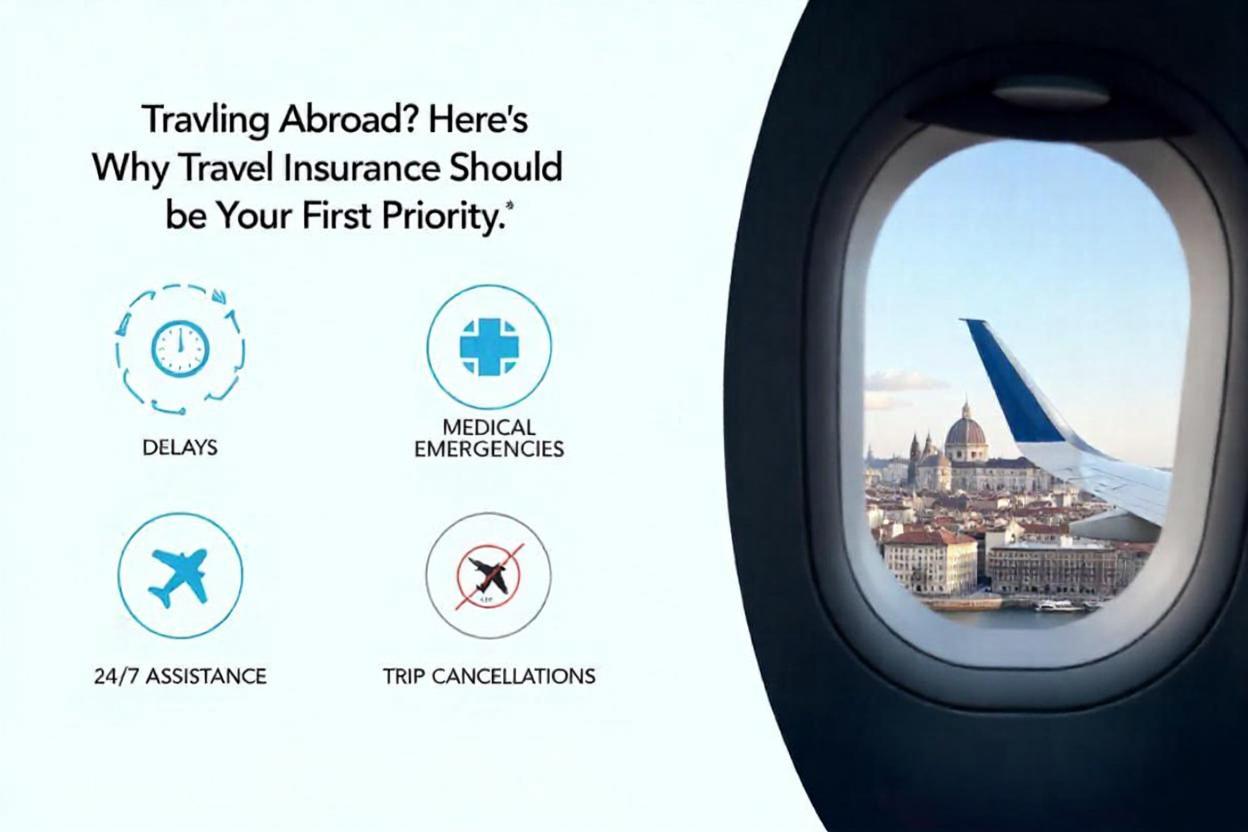
Many travelers ignore travel insurance, but it is extremely important. Insurance protects travelers against unexpected problems such as medical emergencies, lost luggage, flight cancellations, or accidents.
Choose a policy that covers:
- Medical treatment
- Emergency evacuation
- Trip cancellation
- Lost baggage
- Personal belongings
Travel insurance provides peace of mind during international trips.
Step 7: Prepare Currency and Payment Methods
Different countries use different currencies. Travelers should exchange some money before arrival.
Useful payment methods include:
- Cash
- Debit cards
- Credit cards
- Mobile payment apps
Inform your bank before traveling to avoid blocked cards. It is also smart to carry small amounts of local currency for transportation and small purchases.
Step 8: Pack Smartly
Packing properly makes international travel easier and more comfortable. Avoid carrying unnecessary items.
Important packing essentials include:
- Clothes suitable for weather
- Comfortable shoes
- Travel documents
- Chargers and adapters
- Personal medicines
- Toiletries
- Power bank
- Lightweight backpack
Use packing cubes or organizers to keep luggage neat.
Step 9: Learn Basic Local Culture
Understanding local culture helps travelers build positive experiences. Every country has unique traditions, greetings, and social expectations.
For example:
- Some countries expect modest clothing.
- Some cultures value punctuality.
- Tipping customs vary worldwide.
- Public behavior rules may differ.
Respecting local traditions helps travelers avoid uncomfortable situations.
Step 10: Stay Safe During the Trip
Safety should always remain a top priority during international travel.
Travel safety tips include:
- Avoid displaying expensive items
- Keep documents secure
- Use trusted transportation
- Avoid unsafe neighborhoods
- Share travel plans with family
- Stay alert in crowded places
Emergency numbers and embassy details should always remain accessible.
Step 11: Manage Transportation Abroad
Transportation systems vary across countries. Some destinations have excellent public transportation, while others depend heavily on taxis or rental cars.
Travelers should research:
- Metro systems
- Bus routes
- Taxi services
- Ride-sharing apps
- Train schedules
- Airport transfers
Understanding transportation options saves time and reduces confusion.
Step 12: Stay Connected
Internet access is very important for maps, communication, and emergency situations.
Travelers can stay connected by:
- Buying local SIM cards
- Using international roaming
- Connecting to safe WiFi networks
- Downloading offline maps
Communication tools make travel smoother and safer.
Benefits of International Travel Guide
Using an International Travel Guide offers many advantages.
- Helps travelers prepare properly
- Reduces stress and confusion
- Saves time and money
- Improves travel safety
- Encourages better budgeting
- Helps avoid travel mistakes
- Improves cultural understanding
- Increases travel confidence
- Makes packing easier
- Supports smooth airport experiences
- Helps travelers explore destinations wisely
- Improves overall travel enjoyment
Disadvantages / Risks
Although international travel is exciting, there are also some challenges and risks.
- Flight delays and cancellations
- Lost luggage problems
- Visa rejection issues
- Language barriers
- Currency exchange difficulties
- Health emergencies abroad
- Travel scams and theft
- Cultural misunderstandings
- Unexpected expenses
- Weather disruptions
- Transportation confusion
- Internet connectivity problems
Most travel risks can be reduced through proper planning and awareness.
Common Mistakes to Avoid
Many travelers make simple mistakes that create unnecessary stress during trips.
Ignoring Passport Expiry Dates
Some countries refuse entry if passports expire soon. Always check passport validity early.
Overpacking
Carrying too many items makes travel uncomfortable. Pack only necessary belongings.
Forgetting Travel Insurance
Medical treatment abroad can be expensive. Travel insurance provides financial protection.
Exchanging Money at Airports Only
Airport exchange counters often offer poor rates. Compare currency exchange options before traveling.
Not Researching Local Laws
Different countries have different laws and social expectations. Research rules before arrival.
Booking Cheap Hotels Without Reviews
Low prices may hide poor conditions or unsafe locations. Always read reviews carefully.
Keeping Important Documents in One Place
Losing documents can create serious problems. Keep copies in separate locations.
Ignoring Health Precautions
Some destinations require vaccinations or health precautions. Research health advice before departure.
Using Public WiFi Without Caution
Unsecured networks may expose personal information. Avoid sensitive banking activities on public WiFi.
Poor Budget Planning
Many travelers underestimate expenses. Always keep emergency funds available.
FAQs
1. What documents are required for international travel?
Travelers usually need a valid passport, visa if required, flight tickets, hotel bookings, and travel insurance documents. Some countries may also require vaccination certificates.
2. How early should I book international flights?
Booking flights two to four months before departure often provides better prices. Peak travel seasons may require even earlier bookings.
3. Is travel insurance necessary?
Yes, travel insurance is highly recommended because it protects travelers against emergencies, cancellations, medical costs, and lost baggage.
4. How much money should I carry during international travel?
The amount depends on the destination and trip length. Carry a mix of cash, cards, and emergency funds for safety.
5. How can I avoid travel scams?
Research common scams in your destination, avoid sharing personal details, use trusted transportation, and stay alert in crowded areas.
6. What should I do if my passport is lost abroad?
Contact your country’s embassy or consulate immediately. Keep digital copies of important documents to simplify the replacement process.
7. How can I manage language barriers while traveling?
Translation apps, phrase books, and simple local greetings can improve communication. Many travelers also use visual maps and translation tools.
8. What is the best way to save money during international travel?
Travelers can save money by booking flights early, using public transportation, comparing hotel prices, and avoiding unnecessary shopping.
Expert Tips & Bonus Points
Experienced travelers often follow smart habits that improve international trips.
Travel During Off-Peak Seasons
Flights and hotels are often cheaper during less busy travel periods.
Keep Emergency Contacts Ready
Store emergency phone numbers both digitally and on paper.
Use Lightweight Luggage
Light luggage improves mobility and reduces baggage fees.
Learn Basic Local Phrases

Simple greetings and polite words create better interactions with local people.
Arrive Early at Airports
International airports can become crowded. Early arrival reduces stress.
Stay Flexible
Unexpected changes happen during travel. Flexibility helps travelers remain calm.
Protect Your Health
Drink clean water, eat safely prepared food, and carry essential medicines.
Monitor Weather Conditions
Weather changes can affect transportation and activities. Always check forecasts regularly.
Keep Digital Backups
Store travel documents, hotel confirmations, and emergency details online.
Respect Local Customs
Polite behavior and cultural respect create positive travel experiences.
Conclusion
International travel opens the door to unforgettable experiences, personal growth, and cultural understanding. A reliable International Travel Guide helps travelers prepare properly and avoid unnecessary stress during their journey. From choosing destinations and managing budgets to packing smartly and staying safe, every part of travel becomes easier with good planning.
Traveling abroad allows people to discover new traditions, foods, languages, and lifestyles. It also improves confidence, communication skills, and problem-solving abilities. Whether someone is traveling for business, education, adventure, or relaxation, preparation remains the key to a successful trip.
Beginners should start with careful research and simple planning steps. Checking passports, booking flights early, buying travel insurance, and understanding local culture can make a major difference in travel comfort and safety. Smart travelers also keep emergency funds, digital copies of documents, and flexible schedules.
Although international travel may sometimes involve challenges, most problems can be managed through awareness and preparation. Every journey teaches valuable lessons and creates lasting memories. By following the advice in this International Travel Guide, travelers can enjoy smoother trips, save money, stay safe, and build meaningful experiences around the world. Proper preparation transforms international travel from a stressful process into an exciting and rewarding adventure.