
Introduction
Best Travel Guides help travelers plan better trips, save money, and enjoy new places with less stress. Whether you are traveling alone, with family, or with friends, having the right information can improve your experience from start to finish. Many people feel confused when choosing destinations, hotels, transportation, or local attractions. A good travel guide makes those decisions easier and faster.
Today, travelers have access to printed books, websites, mobile apps, and digital maps. However, not every source provides useful or accurate information. That is why choosing the best travel guides is important for beginners and experienced travelers alike. These guides offer tips about budgeting, local culture, safety, food, transportation, and hidden attractions.
Traveling without proper planning can lead to wasted money and unnecessary problems. On the other hand, reliable travel guides help travelers avoid common mistakes and discover exciting experiences. They also help people understand local customs and respect different cultures.
In this article, you will learn everything about the best travel guides, including their importance, benefits, risks, expert advice, and common mistakes. You will also discover practical steps for choosing the right guide for your next trip. By the end, you will feel more confident and prepared to travel anywhere with ease.
What is Best Travel Guides?
Best Travel Guides are trusted resources that provide useful information about destinations, hotels, transportation, food, attractions, local culture, and travel safety. These guides are designed to help travelers plan organized and enjoyable trips. They may come in different forms, including travel books, websites, blogs, videos, and smartphone applications.
A quality travel guide usually includes maps, travel costs, weather details, local customs, and recommendations for activities. Some guides focus on luxury travel, while others help budget travelers save money. Many guides also provide advice for solo travelers, couples, students, and families.
The main purpose of travel guides is to make traveling easier and more enjoyable. Instead of searching through random information online, travelers can rely on one trusted source for accurate details and practical tips.
Why is Best Travel Guides Important?
Travel guides are important because they reduce confusion and help travelers make smarter decisions. Planning a trip can be stressful, especially when visiting a new country or city for the first time. Good guides provide clear information that saves time and effort.
Travel guides also help travelers avoid tourist traps and unsafe areas. They often include honest reviews, local recommendations, and safety advice. This information can protect travelers from scams, overpriced services, and unnecessary risks.
Another reason why the best travel guides matter is budgeting. Travelers can compare hotels, transportation, and restaurants before spending money. This helps them stay within budget while still enjoying quality experiences.
Travel guides also encourage cultural understanding. They teach travelers about local traditions, manners, and laws. Respecting local customs creates positive experiences for both visitors and local communities.
Detailed Step-by-Step Guide
Step 1: Choose Your Destination
Start by deciding where you want to travel. Think about your interests, budget, weather preferences, and travel goals. Some people prefer beaches, while others enjoy mountains, historical sites, or busy cities.
Research different destinations and compare costs, attractions, and travel seasons. A travel guide can help you understand which destination matches your expectations.
Step 2: Set a Travel Budget
Creating a budget is one of the most important parts of trip planning. Decide how much money you can spend on flights, hotels, transportation, food, shopping, and activities.
The best travel guides often include estimated daily expenses for different destinations. This helps travelers avoid overspending and prepare financially before leaving home.
Step 3: Find Reliable Accommodation
Accommodation affects comfort, safety, and travel expenses. Use trusted travel guides to compare hotels, hostels, guest houses, and vacation rentals.
Read reviews carefully and check location details before booking. Staying near public transportation or tourist attractions can save both time and money.
Step 4: Plan Transportation
Transportation planning makes travel smoother and less stressful. Research flights, buses, trains, taxis, and local transportation options before your trip begins.
Travel guides often explain the cheapest and safest ways to move around a city. Some destinations have excellent public transport, while others may require rental cars or ride-sharing services.
Step 5: Create a Travel Itinerary
A travel itinerary keeps your trip organized. Make a list of places you want to visit, restaurants you want to try, and activities you want to enjoy.
Avoid filling every hour with activities. Leave some free time for relaxation and unexpected experiences. Flexible plans usually create more enjoyable trips.
Step 6: Learn About Local Culture
Understanding local culture is essential for respectful travel. Read about local customs, clothing expectations, greetings, and social behavior before arriving.
The best travel guides often explain cultural etiquette clearly. This helps travelers avoid misunderstandings and build positive connections with local people.
Step 7: Pack Smartly
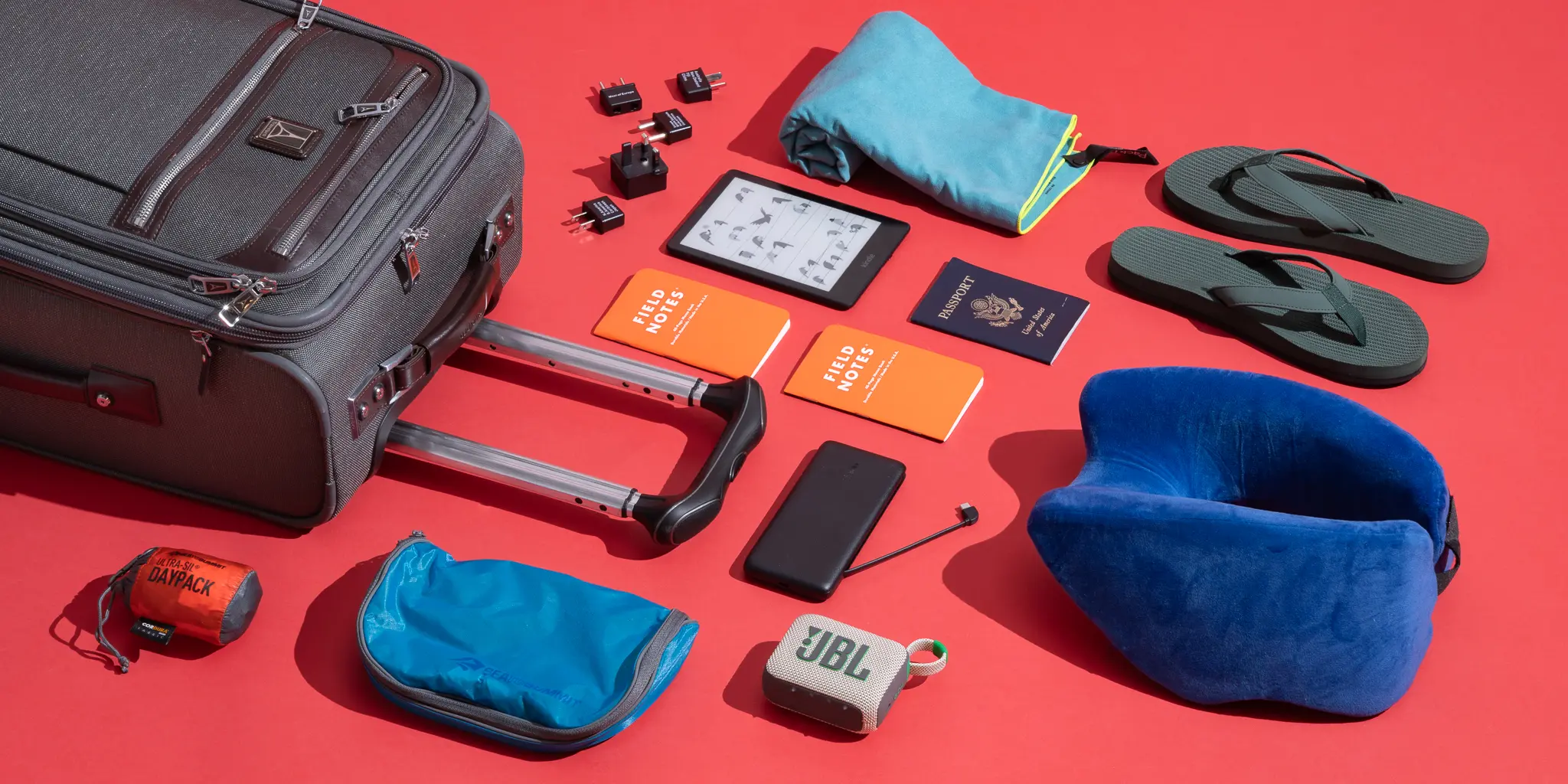
Packing correctly can make travel easier and more comfortable. Pack according to weather conditions, planned activities, and airline rules.
Carry important items such as travel documents, medications, chargers, and comfortable clothing. Avoid overpacking because heavy luggage can become difficult to manage.
Step 8: Focus on Safety
Safety should always remain a priority during travel. Research safe neighborhoods, emergency contacts, and local laws before your trip starts.
Travel guides often provide valuable safety tips for tourists. Staying aware of your surroundings and protecting personal belongings can reduce travel risks significantly.
Step 9: Explore Local Food
Trying local food is one of the best parts of traveling. Search for authentic restaurants and popular dishes recommended by trusted travel guides.
Be careful with street food if you have a sensitive stomach. Drinking clean water and choosing hygienic restaurants can help prevent illness.
Step 10: Capture and Enjoy Experiences
Take photos, write notes, and enjoy every moment during your journey. Travel is not only about visiting places but also about creating memories and learning new things.
Instead of spending all your time online, focus on experiencing the destination fully. Meaningful travel experiences often become lifelong memories.
Benefits of Best Travel Guides
- Help travelers save time during trip planning
- Provide trusted information about destinations
- Reduce travel stress and confusion
- Help travelers manage budgets effectively
- Offer safety advice and emergency tips
- Introduce local food and cultural experiences
- Help travelers avoid scams and tourist traps
- Suggest hidden attractions and local favorites
- Improve confidence for first-time travelers
- Support better organization during trips
Disadvantages and Risks
- Some travel guides contain outdated information
- Online reviews may sometimes be misleading
- Overplanning can reduce travel flexibility
- Popular guides may increase tourist crowds
- Certain guides focus only on expensive experiences
- Travelers may miss spontaneous adventures
- Information overload can create confusion
- Not every guide suits every travel style
Common Mistakes to Avoid
One common mistake travelers make is depending on only one source of information. Comparing multiple travel guides helps you find more balanced and accurate advice.
Another mistake is ignoring local culture and customs. Travelers who fail to respect traditions may create uncomfortable situations for themselves and local people.
Many travelers also spend too much money because they do not create a budget before traveling. A detailed budget helps control unnecessary spending.
Booking accommodation without reading reviews is another major mistake. Some hotels may look attractive online but fail to provide quality service in reality.
Overpacking is also a frequent travel problem. Carrying too many items makes movement difficult and creates unnecessary stress during transportation.
Some travelers plan too many activities in one day. This can cause exhaustion and reduce enjoyment. A balanced schedule creates a more relaxing experience.
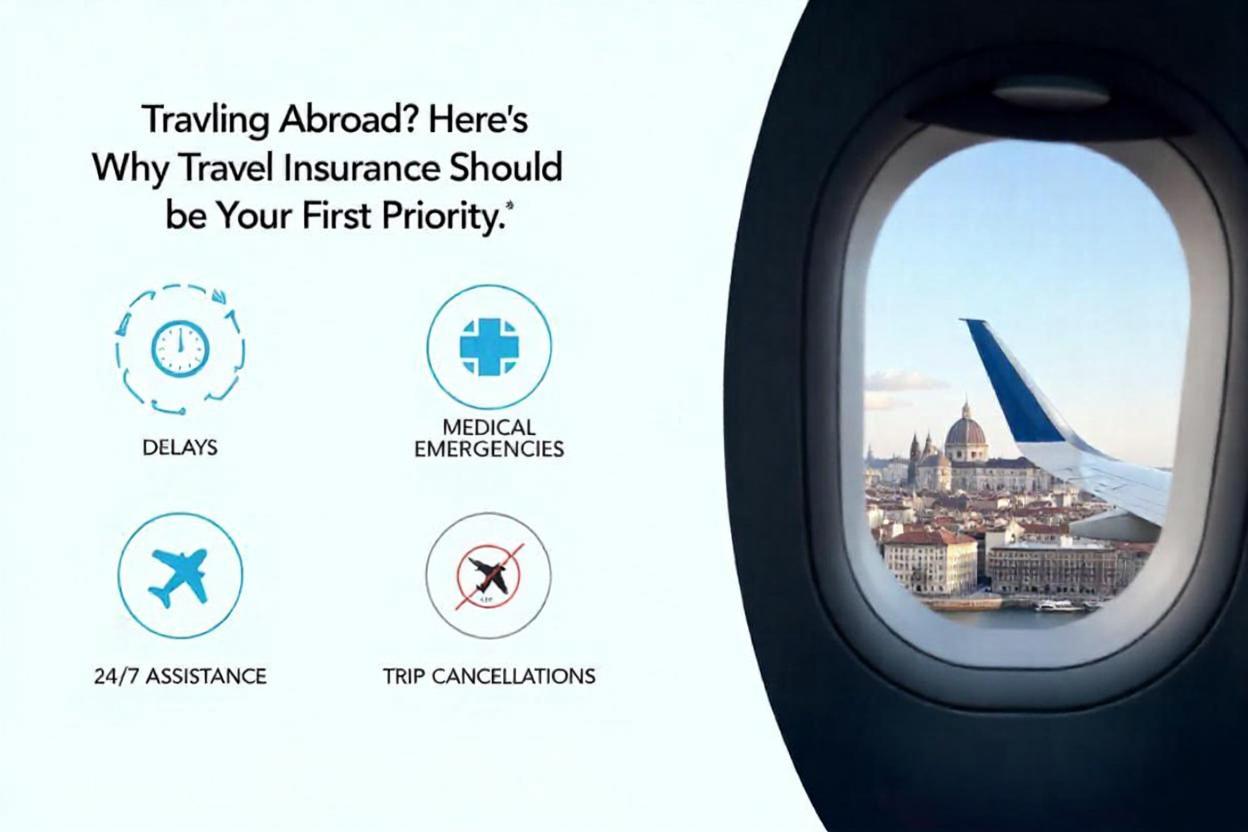
Ignoring travel insurance is risky as well. Unexpected medical emergencies or lost luggage can create financial problems during international trips.
Finally, many travelers forget to keep copies of important documents. Having digital and printed copies of passports and tickets can save time during emergencies.
FAQs
What are the best travel guides for beginners?
The best travel guides for beginners are simple, easy to understand, and updated regularly. Guides with maps, budgeting tips, safety information, and cultural advice are especially useful for first-time travelers.
Are online travel guides better than printed books?
Both options have benefits. Online travel guides offer updated information and convenience, while printed books work without internet access and are easier to carry in some situations.
How can travel guides help save money?
Travel guides compare prices for hotels, restaurants, transportation, and attractions. They also provide tips about discounts, budget-friendly areas, and affordable travel seasons.
Why is travel planning important?
Travel planning helps travelers avoid stress, manage budgets, and organize activities efficiently. It also improves safety and allows travelers to enjoy their trips more comfortably.
How often should travel guides be updated?
Travel guides should be updated regularly because hotel prices, transportation systems, and local regulations often change. Using outdated information can create problems during travel.
Can travel guides improve travel safety?
Yes, travel guides provide important safety information, including safe neighborhoods, emergency contacts, local laws, and common tourist scams. This knowledge helps travelers stay prepared and protected.
Expert Tips and Bonus Points
Always check the latest weather conditions before traveling. Weather changes can affect flights, outdoor activities, and packing decisions.
Use a combination of travel resources instead of depending on a single guide. Reading blogs, watching videos, and checking reviews can provide a broader understanding of your destination.
Learn a few basic local phrases before visiting another country. Simple greetings and polite words can improve communication and create friendly interactions.
Travel during off-peak seasons whenever possible. Flights and hotels are usually cheaper, and tourist attractions are less crowded.
Keep emergency cash in a separate location. This can help during unexpected situations such as lost wallets or card payment issues.
Stay connected with family or friends during your trip. Sharing your travel plans and location adds an extra layer of safety.
Take breaks during busy travel schedules. Resting properly helps maintain energy and improves overall travel enjoyment.
Respect local environments and communities while traveling. Avoid littering, support local businesses, and follow local rules to create responsible travel experiences.
Conclusion
Best Travel Guides are essential tools for travelers who want safer, smarter, and more enjoyable trips. They provide useful information about destinations, accommodation, transportation, budgeting, local culture, and travel safety. Whether you are planning a short weekend vacation or a long international journey, the right guide can make a major difference in your overall experience.
Traveling becomes much easier when you understand where to stay, what to eat, how to move around, and which places to visit. Reliable travel guides reduce confusion and help travelers avoid common mistakes. They also improve confidence, especially for beginners who may feel nervous about exploring unfamiliar destinations.
However, travelers should remember that no guide is perfect. It is always a good idea to compare different sources and remain flexible during your journey. Unexpected moments often become the most memorable parts of travel.
By using the best travel guides wisely, travelers can save money, stay safe, and enjoy meaningful experiences. Smart planning, cultural respect, and a positive attitude can turn every trip into an unforgettable adventure. With proper preparation and trusted guidance, traveling can become one of the most rewarding experiences in life.
Popular Types of Travel Guides
Different travelers need different kinds of information. That is why travel guides are available in many styles and formats. Choosing the right type can improve the overall travel experience and help travelers find information faster.
Budget travel guides focus on saving money. They include affordable hotels, low-cost transportation, free attractions, and cheap restaurants. Students and backpackers often prefer these guides because they help reduce travel expenses without removing enjoyment.
Luxury travel guides are designed for travelers who want premium experiences. These guides recommend luxury hotels, fine dining restaurants, private transportation, and exclusive activities. They are useful for travelers who value comfort and personalized services.
Adventure travel guides focus on outdoor activities and exciting experiences. They often include hiking routes, camping locations, mountain climbing tips, scuba diving spots, and wildlife tours. Safety advice is especially important in these guides because adventure activities can involve risks.
Family travel guides help parents organize safe and enjoyable trips for children. These guides usually recommend family-friendly hotels, parks, museums, and entertainment areas. They also include practical advice about transportation, food, and safety for young travelers.
Solo travel guides are created for people traveling alone. They provide safety tips, budgeting advice, and suggestions for meeting new people while traveling. Solo travelers often use these guides to feel more confident in unfamiliar destinations.
Business travel guides focus on work-related trips. They include information about transportation near airports, business hotels, meeting spaces, and local business etiquette. These guides help professionals stay productive while traveling.
Digital travel guides have become extremely popular in recent years. Mobile apps and online platforms provide real-time information, maps, language translation tools, and booking services. Travelers appreciate the convenience and speed of digital travel planning.
Printed travel books still remain useful despite the growth of digital tools. Many travelers prefer physical books because they work without internet access and are easy to read during flights or train rides. Printed guides also help travelers avoid excessive screen time.
Eco-friendly travel guides encourage responsible tourism. These guides teach travelers how to reduce environmental impact, support local communities, and protect natural attractions. Sustainable tourism has become more important as global travel continues to grow.
How to Choose the Right Travel Guide
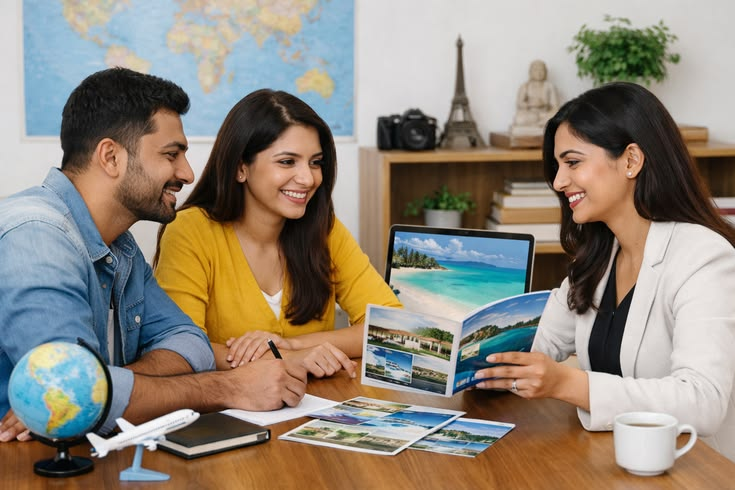
Choosing the right travel guide depends on personal travel goals and preferences. Not every guide works for every traveler, so it is important to evaluate information carefully before making decisions.
First, identify the purpose of your trip. A relaxing beach vacation requires different information than an adventure trip or business journey. Understanding your priorities makes guide selection easier.
Second, check how recently the guide was updated. Travel information changes quickly, especially hotel prices, transportation systems, and local regulations. Updated guides are usually more reliable.
Third, read reviews from other travelers. Honest reviews can help you understand whether a guide provides useful and accurate information. Reviews also reveal common strengths and weaknesses.
Fourth, compare different sources instead of relying on one guide only. Using books, websites, videos, and apps together can provide more complete information about a destination.
Fifth, look for guides that match your budget and travel style. Some guides focus heavily on luxury experiences, while others are designed for budget travelers. Choosing the correct style prevents disappointment later.
Finally, select guides with clear organization and easy navigation. Travelers should be able to find information quickly without feeling confused or overwhelmed during planning.
Travel Planning Checklist
A travel checklist helps travelers stay organized before departure. Forgetting important items can create stress and unnecessary expenses during a trip. Following a simple checklist improves preparation and confidence.
Start by checking passport validity and travel documents. Some countries require passports to remain valid for several months after arrival. Travelers should also confirm visa requirements before booking flights.
Book flights and accommodation early whenever possible. Early reservations often provide better prices and more options. During busy seasons, waiting too long can increase costs significantly.
Research transportation from the airport to your hotel before arrival. Knowing how to reach your destination reduces confusion in unfamiliar places.
Prepare copies of important documents, including passports, identification cards, insurance papers, and tickets. Keeping digital copies on a secure device adds extra protection during emergencies.
Pack clothing suitable for weather conditions and planned activities. Comfortable shoes are especially important because travelers often spend many hours walking.
Check local currency and payment methods before traveling. Some destinations prefer cash payments, while others rely heavily on digital transactions and bank cards.
Download maps and travel apps before leaving home. Offline maps can help travelers navigate areas without internet access.
Inform your bank about international travel plans if necessary. This prevents card payment issues caused by unusual foreign transactions.
Carry basic medicines and personal health items. Finding specific medications abroad may sometimes be difficult or expensive.
Arrive at airports or stations early to avoid unnecessary stress. Delays in security checks or transportation can happen unexpectedly.
Most importantly, maintain a flexible mindset during travel. Unexpected situations are common, but patience and preparation can help travelers handle problems calmly and confidently.
Final Travel Advice for Every Traveler
Traveling is more than visiting famous attractions. It is an opportunity to learn about different cultures, meet new people, and create valuable memories. Travelers who remain open-minded usually enjoy richer experiences during their journeys.
Patience is one of the most important travel skills. Flights may become delayed, weather conditions may change, or plans may suddenly shift. Staying calm helps travelers handle challenges more effectively.
Healthy habits also improve travel experiences. Drinking enough water, eating balanced meals, and sleeping properly help travelers maintain energy throughout busy trips.
Communication is another important part of successful travel. Being polite and respectful creates positive interactions with local communities. Even simple smiles and greetings can build friendly connections.
Finally, remember that every journey is unique. Some trips focus on relaxation, while others focus on adventure or learning. The best travel experiences often come from balancing preparation with flexibility and enjoying each moment fully