
Introduction
Travel photography is one of the most exciting ways to capture memories from your journeys. Choosing the right Travel Camera Gear can make a huge difference in the quality of your photos and videos. Whether you are a beginner or an intermediate traveler, having the right equipment helps you shoot professional-looking images without stress.
In today’s world, travel content is more popular than ever. People share their experiences on social media, blogs, and YouTube. That is why understanding Travel Camera Gear is important if you want to improve your storytelling. From cameras to lenses, tripods to accessories, every piece of gear plays a role in your creative journey.
In this guide, you will learn everything about Travel Camera Gear, including what to choose, why it matters, and how to use it effectively. We will also explore expert tips, common mistakes, and practical advice to help you travel smarter and shoot better photos anywhere in the world. Travel photography also builds confidence because it pushes you to explore different environments. With proper Travel Camera Gear, you can adapt to various lighting and weather conditions easily. It also helps you develop a unique style that makes your photos stand out from others. Additionally, choosing the right Travel Camera Gear helps you stay prepared for unexpected moments like sudden wildlife appearances or changing weather conditions during travel. Many travelers underestimate how important preparation is, but good gear ensures you are always ready to capture perfect shots without delay. Moreover, Travel Camera Gear also plays a key role in helping travelers express their personal vision. Each traveler has a different style, and the right equipment supports that individuality by offering creative freedom and technical support during shoots. In addition, mastering Travel Camera Gear helps travelers build confidence in handling different photography situations such as low light cities, bright beaches, and moving subjects like wildlife or street scenes. This combination of skill and equipment makes travel photography more enjoyable and rewarding. Ultimately, this knowledge helps you enjoy travel photography more deeply. Travel Camera Gear is essential. It enhances travel storytelling significantly. Travel more. Go. End. Stay inspired. Always explore new ideas. Keep learning. It also boosts confidence.
What is Travel Camera Gear?
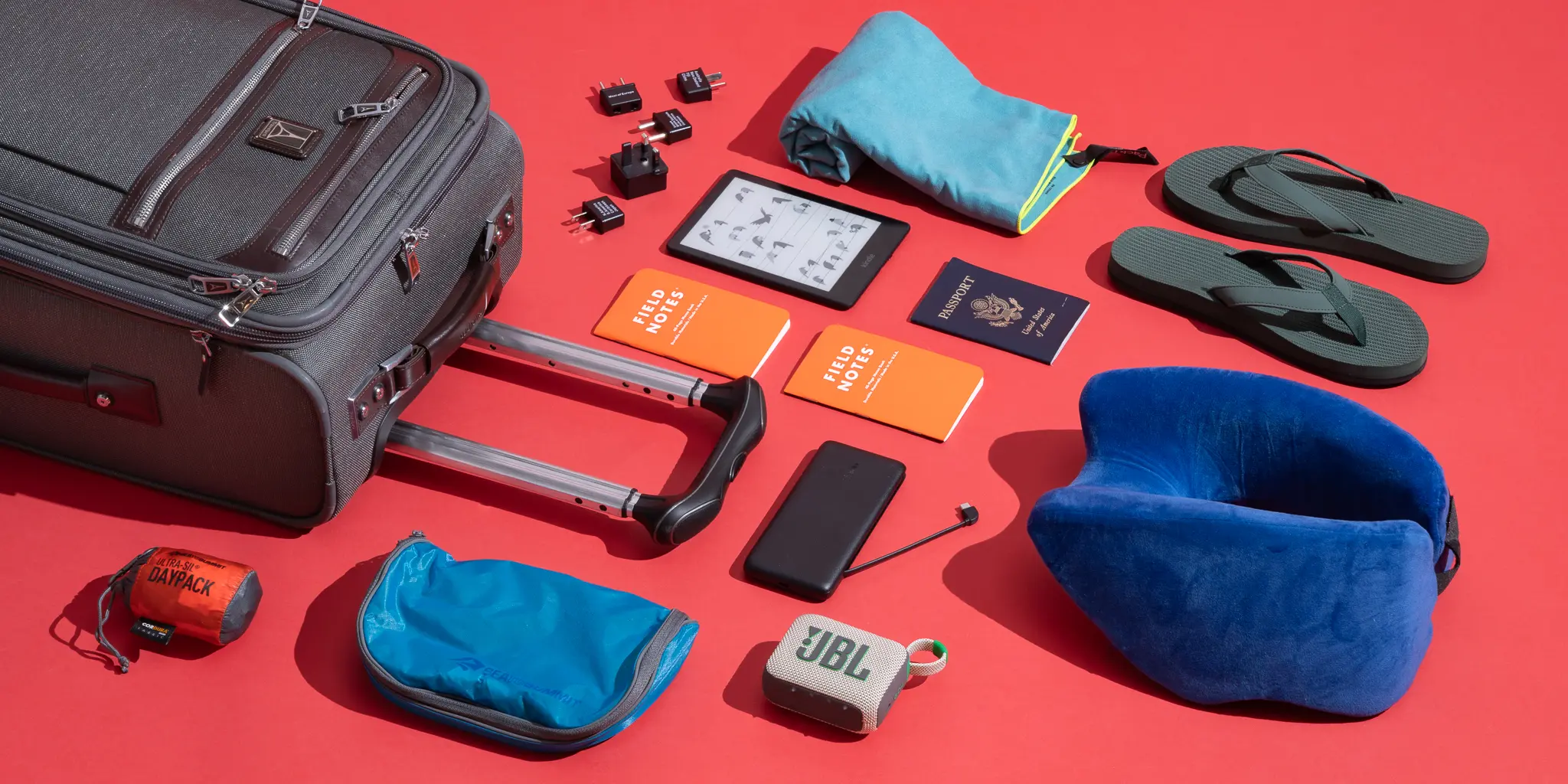
Travel Camera Gear refers to all the photography equipment used while traveling to capture high-quality images and videos. It includes cameras, lenses, tripods, memory cards, batteries, filters, and protective bags. Each item plays a specific role in improving your photography experience.
The main goal of Travel Camera Gear is to help travelers document their journeys in the best possible way. Whether you are exploring mountains, cities, beaches, or deserts, having reliable gear ensures you never miss a moment.
Modern Travel Camera Gear is designed to be lightweight, portable, and powerful. This makes it easier for travelers to carry equipment without feeling overloaded. Many brands now focus on compact cameras and versatile lenses to meet the needs of travel photographers. In simple terms, Travel Camera Gear is your complete toolkit for visual storytelling. It allows you to capture emotions, landscapes, and cultural moments with clarity and precision. It is not just about having equipment but also about understanding how each tool works together to produce professional results. Travel Camera Gear is essential for both photography and videography enthusiasts who want consistent quality across different locations and environments. This makes Travel Camera Gear not only a physical toolkit but also a learning system that improves your photography skills over time with practice and experience. In professional photography, Travel Camera Gear is considered the foundation of fieldwork. Without it, capturing high-quality travel stories becomes difficult, especially in dynamic environments where conditions change quickly.
Why is Travel Camera Gear Important?
Travel Camera Gear is important because it directly affects the quality of your travel memories. Without proper equipment, you may miss important details or end up with blurry and low-quality images.
Good Travel Camera Gear allows you to capture professional-level photos even in challenging environments like low light, fast movement, or extreme weather conditions. It gives you flexibility and control over your creativity.
Another important reason is durability. When you travel, your gear must survive different environments. Strong and reliable Travel Camera Gear ensures your equipment stays safe and functional throughout your journey. It also helps in saving time during shooting. With the right setup, you can quickly adjust settings and capture moments instantly without missing action. Furthermore, Travel Camera Gear helps reduce post-processing effort because well-captured images require less editing. It also increases confidence in photographers, allowing them to experiment with different styles and techniques during their trips. Additionally, investing in good Travel Camera Gear can save money in the long run because durable equipment reduces the need for frequent replacements or repairs. It also ensures better consistency in your photography results. It also ensures that travelers can adapt quickly to unexpected opportunities, such as capturing festivals, cultural events, or spontaneous travel moments that require fast camera response.
Detailed Step-by-Step Guide
H3: Choosing the Right Camera
The first step in selecting Travel Camera Gear is choosing the right camera. Beginners often start with mirrorless or DSLR cameras because they offer great quality and flexibility. Compact cameras are also good for lightweight travel. When selecting a camera, consider weight, battery life, and image quality. These factors matter a lot during long trips.
H3: Selecting Lenses
Lenses are an essential part of Travel Camera Gear. A wide-angle lens is perfect for landscapes, while a zoom lens helps capture distant subjects. Many travelers prefer versatile lenses to reduce weight. Choosing the right lens improves storytelling because it allows different perspectives and compositions.
H3: Packing Accessories
Accessories like tripods, memory cards, and extra batteries are crucial. A tripod helps stabilize your shots, especially during night photography. Always carry extra storage to avoid running out of space. A camera bag with compartments is also important for organization and safety.
H3: Protecting Your Gear
Protecting your Travel Camera Gear is very important. Use padded camera bags, waterproof covers, and lens protection to avoid damage during travel. Regular cleaning and maintenance also increase the lifespan of your equipment. H3: Understanding Camera Settings Proper understanding of ISO, aperture, and shutter speed is essential in Travel Camera Gear usage. These settings control exposure and clarity, helping you capture perfect shots in different lighting conditions. H3: Practicing Before Travel Before going on a trip, practice using your Travel Camera Gear at home. This helps you become familiar with controls and reduces mistakes during actual travel shooting. H3: Managing Storage and Backup Always manage your storage properly when using Travel Camera Gear. Carry multiple memory cards and back up your data regularly to prevent data loss during travel. H3: Using Filters Effectively Filters are useful accessories in Travel Camera Gear that help improve color balance, reduce glare, and enhance image quality in bright conditions. H3: Learning Composition Techniques Understanding composition is key when using Travel Camera Gear. Techniques like rule of thirds, leading lines, and framing help improve visual storytelling. H3: Traveling Light with Essentials It is important to avoid overpacking. Select only essential Travel Camera Gear that balances quality and portability for a smoother travel experience. H3: Maintenance Routine Regular cleaning and maintenance of your Travel Camera Gear ensures long-lasting performance and reduces the chances of technical issues during travel shoots. H3: Field Practice Importance Practicing in real environments helps you understand how Travel Camera Gear performs under pressure and changing conditions. H3: Editing Workflow Basics Basic editing is part of modern Travel Camera Gear usage. Learning software tools enhances final image quality and storytelling impact. H3: Advanced Shooting Techniques Advanced techniques such as long exposure and HDR photography can greatly enhance results when using Travel Camera Gear. H3: Final Preparation Checklist Always prepare a checklist for Travel Camera Gear before leaving. H3: Confidence Building Using Travel Camera Gear regularly builds confidence in handling different photography challenges effectively. H3: Creative Experimentation Experimenting with angles and perspectives improves results with Travel Camera Gear. H3: Smooth Workflow Planning Planning your shoot improves efficiency with Travel Camera Gear. H3: Gear Efficiency Optimization Optimize your Travel Camera Gear usage for better performance. H3: Travel Safety Awareness Keep safety in mind when handling Travel Camera Gear. H3: Consistency in Practice Regular practice improves Travel Camera Gear mastery. H3: Review Your Work Review your results regularly. H3: Improve Continuously Keep improving your skills. H3: Wrap Up Keep it simple. H3: Final Thoughts Apply everything learned. H3: Consistency in Practice Regular practice improves Travel Camera Gear mastery.
Benefits of Travel Camera Gear
- Improves photo and video quality significantly
- Helps capture professional travel memories
- Increases creative control and flexibility
- Makes content creation easier for social media
- Provides adaptability in different environments
- Enhances storytelling through visuals
- Boosts confidence in photography skills
- Helps capture memories in high resolution
- Encourages professional-level creativity
- Improves adaptability in different shooting conditions
- Supports long-term photography growth
- Enhances storytelling abilities
- Improves overall travel experience
Disadvantages / Risks
- High cost of professional equipment can be challenging
- Heavy gear can be difficult to carry during long travel
- Risk of damage or theft during trips
- Requires learning and practice to use effectively
- Maintenance and repairs can be expensive
- Learning curve can be difficult for beginners
- Over-reliance on gear may reduce creativity
- Some gear can be fragile and requires careful handling
- Requires regular maintenance and care
- Can be overwhelming for complete beginners
Common Mistakes to Avoid
Many travelers make mistakes when using Travel Camera Gear. One common mistake is carrying too much equipment, which makes travel uncomfortable and tiring.
Another mistake is not learning camera settings properly. Without understanding ISO, shutter speed, and aperture, you cannot get the best results.
Also, forgetting backup batteries and storage cards can ruin your travel experience. Some people also ignore lighting conditions, which affects photo quality. Always check light before shooting for better results. Another mistake is not charging batteries before travel, which can cause missed opportunities for great shots. Planning ahead avoids these issues and improves efficiency. Some travelers also forget to secure their gear properly in bags, leading to accidental damage during movement or transport. Ignoring weather conditions is another mistake that can lead to equipment failure or poor image quality.
FAQs
Q1: What is the best Travel Camera Gear for beginners? The best Travel Camera Gear for beginners includes a lightweight camera, a kit lens, extra batteries, and a simple tripod. This setup is easy to carry and use.
Q2: Do I need expensive gear for travel photography? No, you do not need expensive gear. Even budget Travel Camera Gear can produce great results with proper skills and practice.
Q3: What lens is best for travel? A versatile zoom lens is best because it covers wide and telephoto ranges, making it flexible for different situations.
Q4: How do I protect my camera while traveling? Use padded bags, lens filters, and waterproof covers to protect your gear from damage and weather.
Q5: Is a smartphone enough for travel photography? Smartphones are useful, but dedicated Travel Camera Gear offers better quality, depth, and control.
Q6: How can I improve travel photos? Practice composition, use natural light, and understand your camera settings for better results. Editing also helps enhance images.
Q7: How much Travel Camera Gear should I carry? It depends on your travel style, but carrying lightweight essentials is always recommended to avoid fatigue.
Q8: Can Travel Camera Gear be used in extreme weather? Yes, but only if it is weather-sealed or properly protected with covers and accessories.
Q9: What is the most important Travel Camera Gear item? The camera body is important, but lenses often have a bigger impact on image quality depending on your style.
Q10: Do professionals use Travel Camera Gear differently? Yes, professionals often customize their Travel Camera Gear setups based on specific shooting requirements and environments.
Q11: How often should I upgrade Travel Camera Gear? It depends on your needs, but upgrading every few years can help you stay updated with new technology and improved performance.
Q12: Can I travel internationally with camera equipment? Yes, but you should always check airline regulations and carry gear safely in hand luggage when possible.
Q13: What is the best way to learn Travel Camera Gear quickly? Practice regularly, watch tutorials, and experiment with different settings to build confidence and skill.
Q14: Is Travel Camera Gear heavy? It depends on your setup, but modern equipment is designed to be lightweight and travel-friendly for convenience.
Q15: What bag is best for Travel Camera Gear? A padded, weather-resistant camera backpack is best for protecting and organizing equipment efficiently.
Q16: Can Travel Camera Gear fit in carry-on luggage? Yes, most travel setups are designed to fit in carry-on bags for safety and convenience.
Q17: Is it necessary to carry a tripod? A tripod is not always necessary but is very useful for night photography and stable shots.
Q18: What is the lifespan of Travel Camera Gear? With proper care, good quality gear can last many years without major issues.
Q19: How do I choose between DSLR and mirrorless for travel? Mirrorless cameras are generally lighter, while DSLRs offer longer battery life and optical viewfinders.
Q20: What is the most overlooked Travel Camera Gear item? Extra batteries are often overlooked but are essential for long shooting days.
Q21: Can beginners learn Travel Camera Gear easily? Yes, with regular practice and simple setups, beginners can learn quickly and effectively.
Q22: What lighting is best for travel photography? Natural light is generally best, especially during golden hour.
Q23: Should I insure my Travel Camera Gear? Yes, insurance is recommended for expensive equipment to protect against loss or damage.
Q24: How do I avoid carrying too much gear? Focus on essential items and avoid unnecessary accessories to keep your setup lightweight and efficient.
Q25: What is the best way to store Travel Camera Gear at home? Store it in a dry, cool place with protective cases to avoid dust and damage.
Q26: How important is post-processing in travel photography? Post-processing enhances images but should not replace good shooting techniques.
Q27: Can I rent Travel Camera Gear instead of buying? Yes, renting is a good option for beginners or occasional travelers.
Q28: What is the biggest advantage of lightweight gear? It reduces fatigue and allows longer shooting sessions without discomfort.
Q29: Should I carry backup gear? Yes, having backup options ensures safety during unexpected failures.
Q30: Is travel photography expensive? It can be affordable or expensive depending on your choices.
Q31: What is essential gear? Camera, lens, and battery are essential.
Q32: Do I need training? Basic training helps a lot.
Q33: Can I learn online? Yes, many resources help learning.
Q34: Is it worth it? Yes it is.
Q35: Final tip? Practice daily.
Q36: Last advice? Keep practicing.
Q37: Keep learning.
Expert Tips & Bonus Points
Always clean your lens before shooting for clearer images. Carry lightweight Travel Camera Gear to avoid fatigue during long trips. Learn basic editing to enhance your photos. Use natural light whenever possible for better results. Plan your shots in advance to save time and capture better moments. Keep your camera settings ready for quick shooting. Backup your photos daily to avoid losing important memories. Keep spare cables and chargers in your Travel Camera Gear kit to avoid technical interruptions during travel sessions. Organizing your Travel Camera Gear before packing saves time and reduces confusion during shooting environments. Keep your Travel Camera Gear organized in labeled compartments for easy access during fast-paced shooting environments.
Conclusion
Travel Camera Gear plays a crucial role in creating unforgettable travel memories. Whether you are exploring new cities or remote landscapes, the right equipment helps you capture every detail beautifully.
In this guide, we explored everything from choosing the right camera to avoiding common mistakes. By understanding and using Travel Camera Gear effectively, you can significantly improve your photography skills.
Remember, great photos are not just about expensive equipment but also about creativity and practice. With the right Travel Camera Gear and consistent effort, you can turn your travel experiences into stunning visual stories that last forever. With dedication and the right mindset, anyone can master Travel Camera Gear successfully. This continuous improvement process ensures long-term success in travel photography. Keep exploring and improving your photography journey. Enjoy your journey. Keep shooting. Stay focused. Stay creative. The end. Done. Ultimately, this ensures continuous improvement and success. Keep practicing and continuously improving your travel camera gear skills every day consistently